
Yellowstone and Grand Teton National Parks Itinerary: Where to Stay, What to See, and Jackson vs Bozeman
Disclaimer: I only recommend products I absolutely love, and all opinions expressed here are my own. This post contains affiliate links at no additional cost to you, but I may earn a small commission. Please consider using the link to support my blog! You can read my full privacy policy here.
Why You Should Visit Yellowstone & Grand Teton National Parks
If you love epic landscapes and wildlife, there’s nothing more iconic in the United States than Yellowstone National Park. Right next door is Grand Teton National Park, giving you options for year-round wildlife, hiking, and outdoor recreation. Whether you’re a princess who loves nice hotels like me or someone who loves to sleep under the stars, both parks have everything to offer. Covering nearly 4,000 square miles or over 2.5 million acres of Wyoming, together these parks offer the ultimate wilderness nature vacation in the United States.
Fortunately, I’ve got you covered in this Yellowstone & Grand Teton National Park travel guide with the best spots to stay to access the parks, the most incredible places for photo opportunities, and where to go for your best wildlife viewing opportunities.
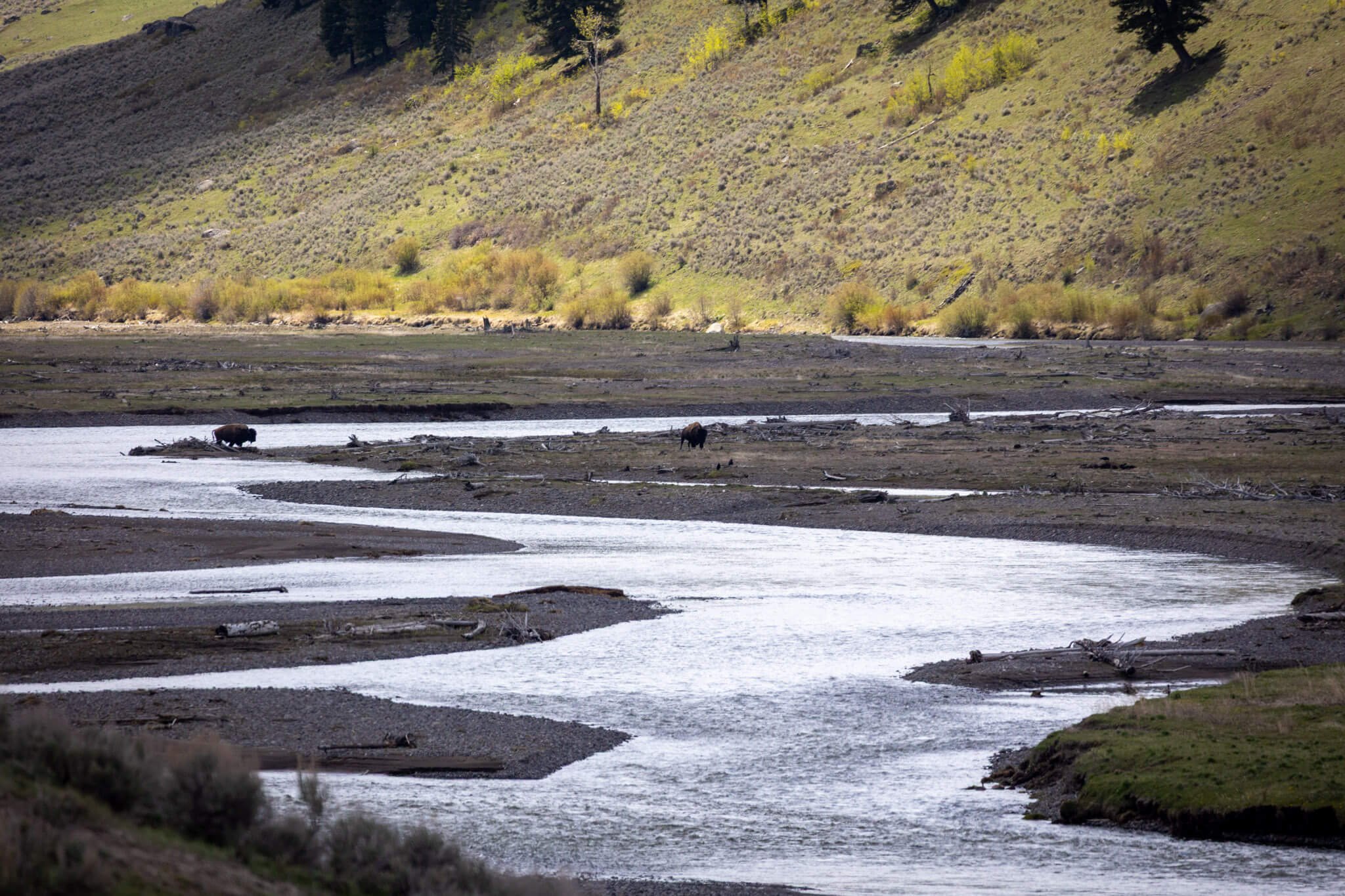
river in Lamar Valley
What You Need to Know Before You Go to Yellowstone & Grand Teton National Parks
Location & Entry Requirements
Both Yellowstone and Grand Teton National Park are located in Wyoming, though three of the entrances for Yellowstone are technically in Montana. You’ll need a National Park Pass to enter both, which you can purchase when you drive up, or you can purchase a daily ticket (but I recommend the National Parks Pass, especially if you’re visiting both over multiple days!). Due to the high altitude and brutal winters, not all roads through the parks are accessible year-round. In fact, only the North Entrance in Yellowstone—and the road through Lamar Valley—are some of the only open spots in the winter. Most of the gates open by Mid-May, but this is entirely due to weather conditions, so if you plan a trip in May, keep an eye on the road and entry conditions!
Services & Amenities
Yellowstone is massive, and while there are restaurants, expect them to be packed. I highly recommend packing snacks, water, and necessary supplies before heading out, especially if you have food allergies or sensitivities. Always dispose of trash in designated bins to keep the parks clean. Grand Teton is smaller and closer to Jackson, WY, so there are fewer services/amenities, though there are still bathrooms at certain trailheads. Ask for a map at the entry so you can check where they are, because the cellular service in both parks can be spotty. I recommend downloading the area maps offline just in case!
Safety
Both National Parks have bears, bison, and moose, all of which should be considered with caution. Never approach a wild animal. Additionally, if hiking, bring bear spray to protect yourself. With the remoteness and lack of cell service, you want to be absolutely prepared for the worst. Take care on steep, rocky trails, especially if you hike in the winter months (more on how we messed up below!). Note that both parks range from 6,300 feet in Jackson, WY to over 8,000 feet across Yellowstone. If you aren’t used to hiking at altitude, take it slow and easy and pack more water than you think you’ll need.
What To Wear
Good hiking shoes are highly recommended because you will be doing a lot of walking. In the winter, temperatures will be below freezing (and sometimes in the late spring too). You need a heavy jacket, gloves, a hat, and winter boots. If you brave the summer season and the crowds that go with them, you’ll need protection from the brutal sun as well as the heat. A wide-brimmed hat will protect your face and neck.
Tips for Travelers with Anxiety in Yellowstone & Grand Teton National Parks
Go in the low season/off season. May is the perfect time for both, whether your focus is Grand Teton or Yellowstone. We were in Jackson in late April, when almost everything was still closed, and in Bozeman Memorial Day weekend when everything had just opened. The long weekend caused more of a crowd than normal, but it was still nothing compared to some photos and videos I’ve seen online from late June through the rest of the summer.
Pack your own food/snack/water. And you definitely need a lot of water with the elevation so you don’t get altitude sickness. There are spots to refill your water, but it is better to ensure you have more than enough with you or in your car.
Altitude changes. We live in Salt Lake City now, and even climbing 4,000 additional feet was tough the first day. If you live closer to sea level, prepare for the air changes! Hydrate, hydrate, hydrate. You might experience some breathlessness, so take breaks as needed.
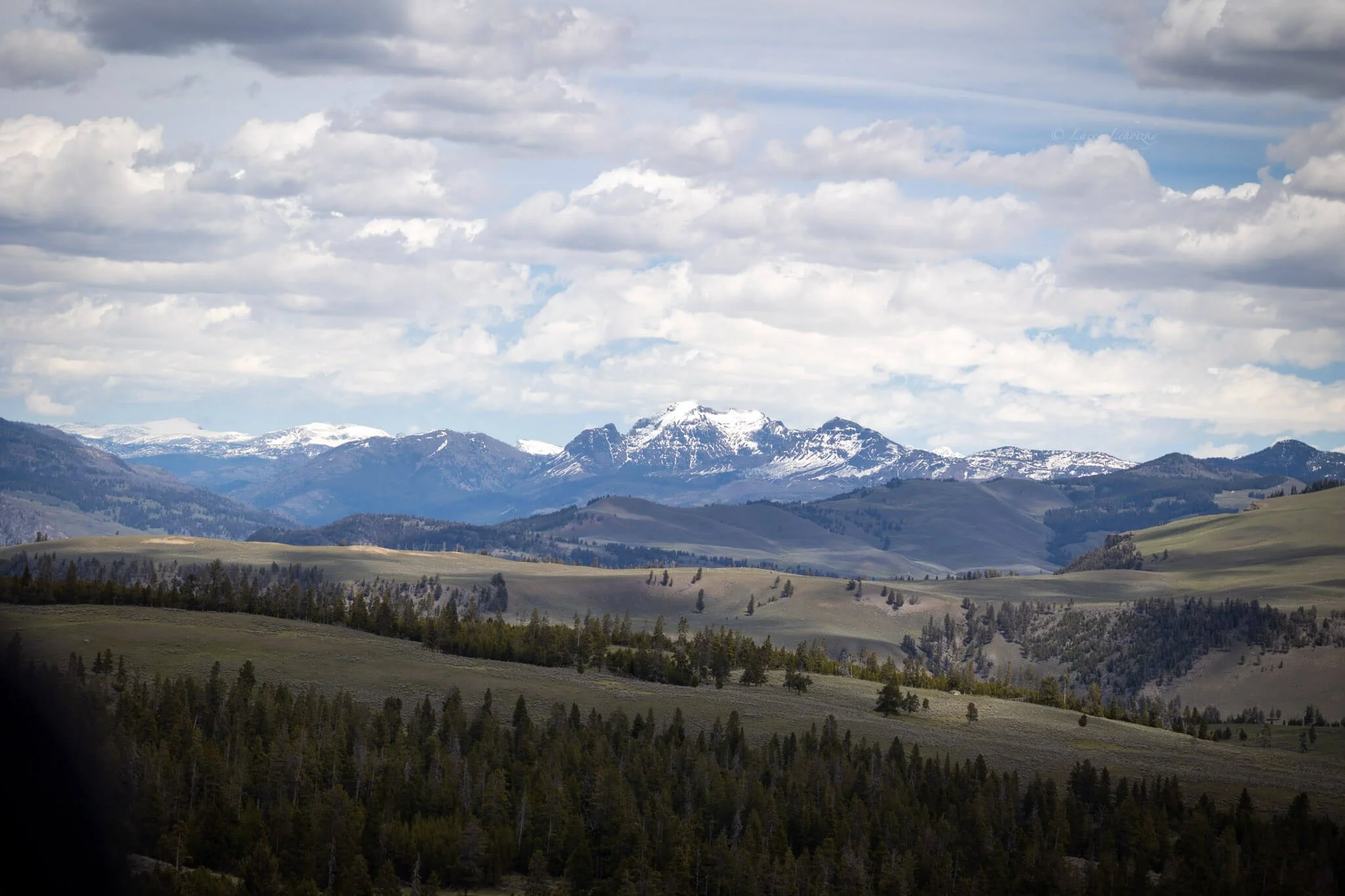
How to Get to Yellowstone & Grand Teton National Parks
Nearest Airports
Jackson Hole Airport (JAC) – approx 15 minute drive to the city, which is about 30 minute drive to Grand Teton National Park
Bozeman Yellow International Airport (BZN) – approx 20 minute drive to Bozeman, which is a 2 hour drive to the North Entrance to Yellowstone
Getting Around the Parks
A car is essential for getting to and exploring Yellowstone & Grand Teton National Parks. There are some guided tours, but I highly, highly recommend exploring on your own. And if you’re flying in, book your rental car (a 4WD or AWD SUV) months in advance as they sell out quickly. We drove up from SLC to Jackson so we had our own car, but we flew into BZN and rented a car there. Actually, we had a mix up on the drop off/pick up times (thanks Expedia glitch) and rebooking one a week before Memorial Day was a nightmare (and 3x the price).
When to Plan Your Yellowstone & Grand Teton National Parks Itinerary
From early to mid-November to late April/early May, the South, West, and East Entrances to Yellowstone are closed, as well as the Teton Park Road/scenic Teton drive. So, to see everything these national parks have to offer, you’ll need to go in the summer, but as I mentioned above, I think May is the perfect time. Especially if you want to spot wolves! They roam farther during the winter, and they’re more likely to be closer to the roads right after all the roads open up than in August when they’ve had enough of people invading their space. A Yellowstone vacation is also on many American’s bucket list, so the park tends to get crowded the longer summer goes on.
Winter (Mid-November through April)
Great for Lamar Valley & winter wildlife viewing in Yellowstone, skiing and snow sports in Jackson Hole (a world-class winter destination too!)
Spring (April through May)
Late spring brings bears out of hibernation with their cubs in both parks, in May there will be fewer crowds
Summer (June through August)
Most roads & trails are open in both parks (though that pesky snow likes to linger!)
Fall (September through Mid November)
September-October is another shoulder season with fewer crowds, the elk rut, and beautiful fall foliage photo opportunities
How Many Days Do You Need in Yellowstone & Grand Teton National Parks?
If you have two days, you can see the Yellowstone highlights: Old Faithful & the Lower Geyser Basin, Tower Fall, Grand Canyon of Yellowstone, Hayden, Madison, or Lamar valley.
If you have three days to five days, you can see the entirety of Yellowstone.
If you have a week or longer, you can see both Yellowstone & Grand Teton National Parks at a more relaxed pace.
However, if you want to do long distance hikes, you’ll need to spend less time at the small stops and plan for more time on your hikes!
Where to Stay for Yellowstone & Grand Tetons: Jackson, WY or Bozeman, MT?
There are pros and cons to both cities, and it depends on what your focus for the trip wants to be. Note that seeing everything in one trip—unless you’ll be there for weeks—is impossible, simply because of the vastness of the area and variety of things to add to your Yellowstone & Grand Teton National Park itinerary.
Jackson, WY
For immediate access for your Grand Teton itinerary, look no further than Jackson, WY. Honestly, if a studio apartment didn’t cost a million dollars, I’d move here in a heartbeat. Actually, 97% of the county is protected land, and the rest? Cowboy galore. On the main square, there are cowboy bars with that authentic feel. The city has an amazing outdoor and western vibe without feeling touristy. Note that some shops and restaurants are closed in the off season. From Jackson, the drive to Yellowstone’s South Entrance is approximately one hour. That is typically the last gate to open for the summer season. When we went in April, we ended up driving through Idaho to the West Entrance (approx 3 hours) because it opened the week we were there.
We stayed at Elk Country Inn in Jackson, WY. We loved that we had our own little cabin in the city.
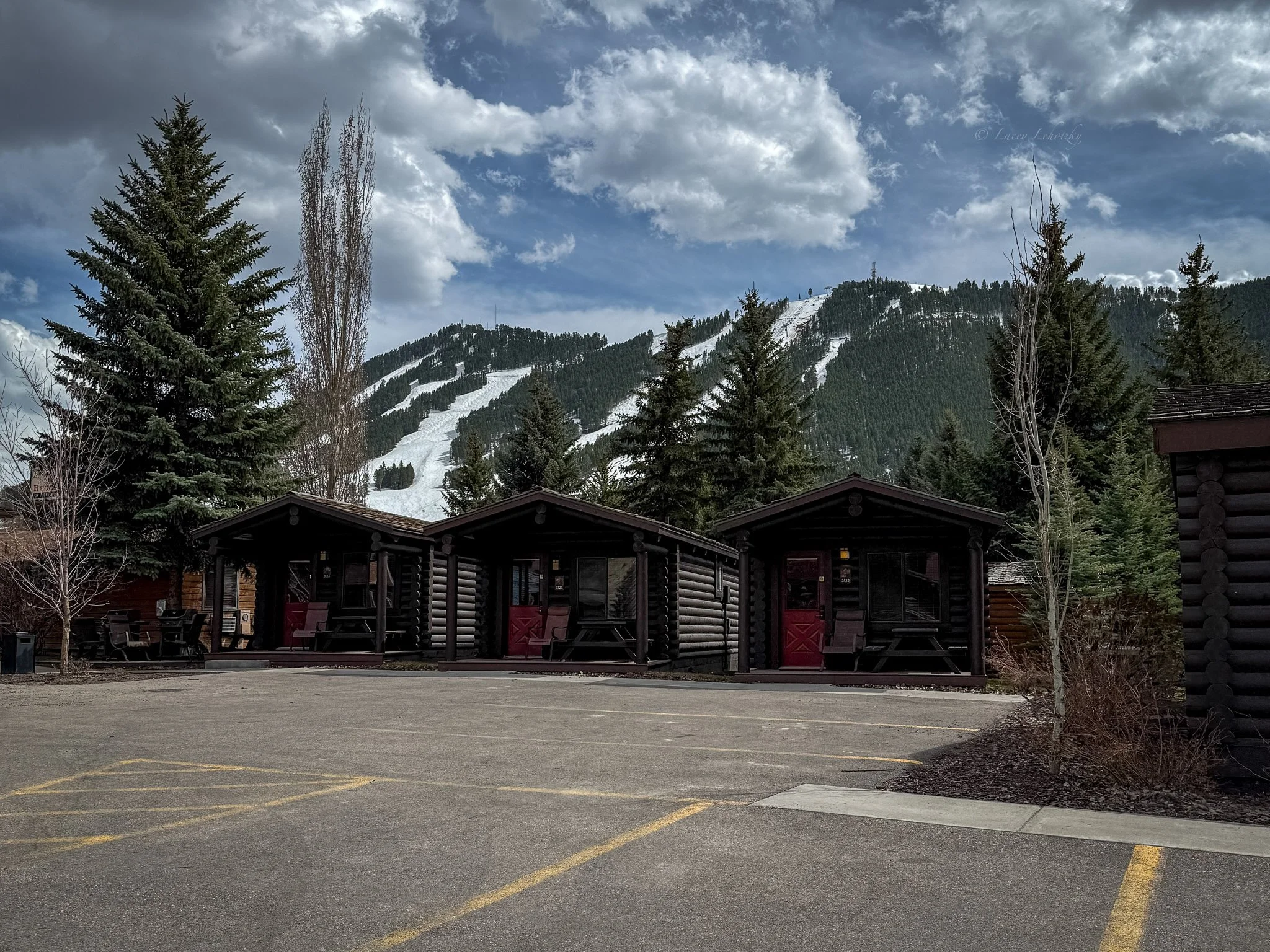
Jackson is by far the more expensive of the two cities, with more luxury hotels and restaurants too. However, it is closer to both parks. While Jackson has some more “affordable” hotels in addition to its luxury resorts, it’s still far and away more expensive than any other US city we’ve visited. In the winter, skiing and other snow sports are available too.
Bozeman, MT
We chose Bozeman for our Yellowstone itinerary because it’s the closest city to the airport with the most gluten free restaurant and hotel options. There are many smaller cities closer to the Yellowstone North Entrance, but hotels there book up fast and far in advance. Since our Memorial Day Weekend trip was very last minute, there weren’t any hotels available there. The drive from Bozeman to Yellowstone is absolutely stunning, especially through Paradise Valley. It is truly paradise with sweeping mountain vistas and the massive Yellowstone River tumbling alongside the road.


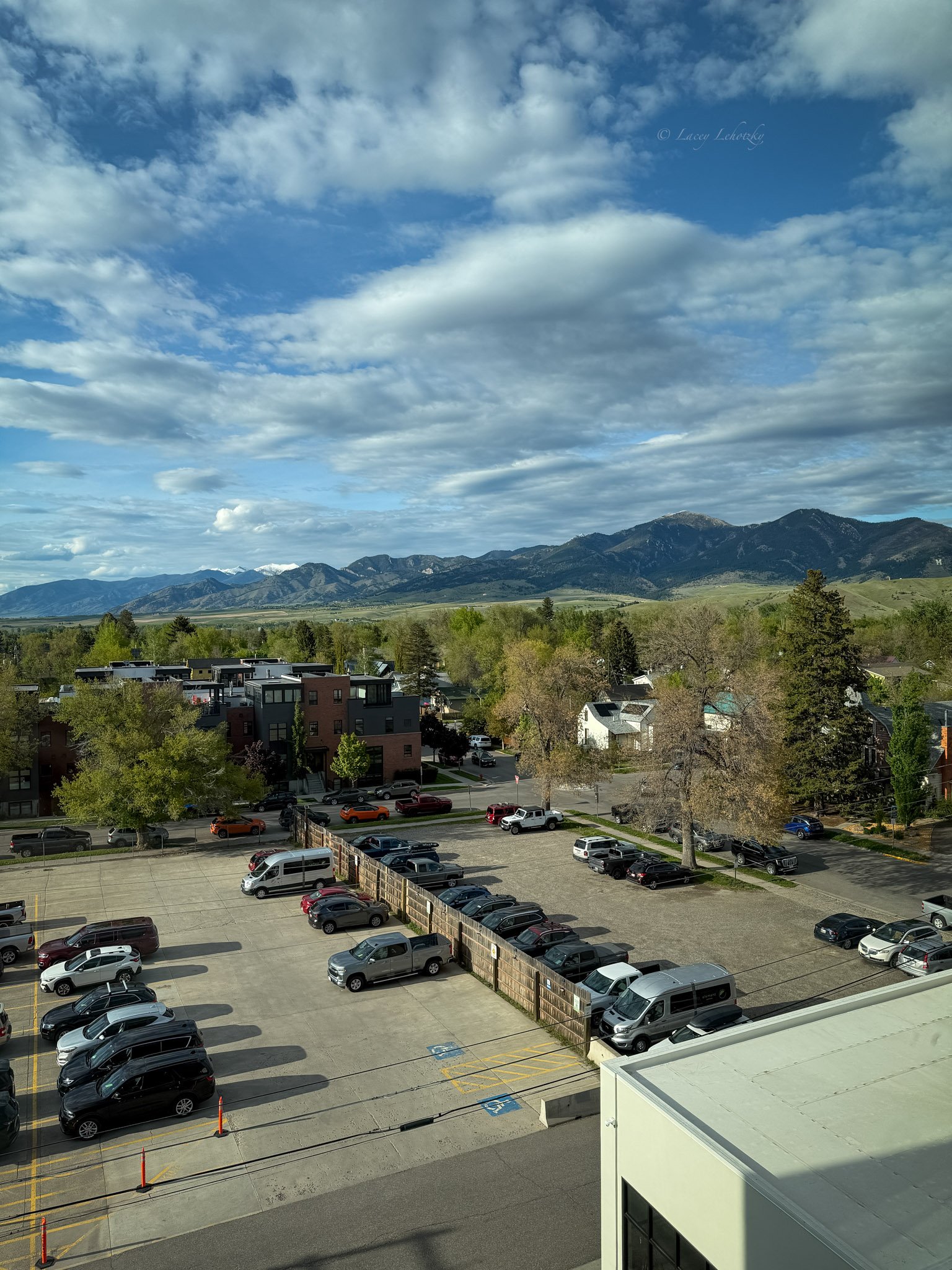
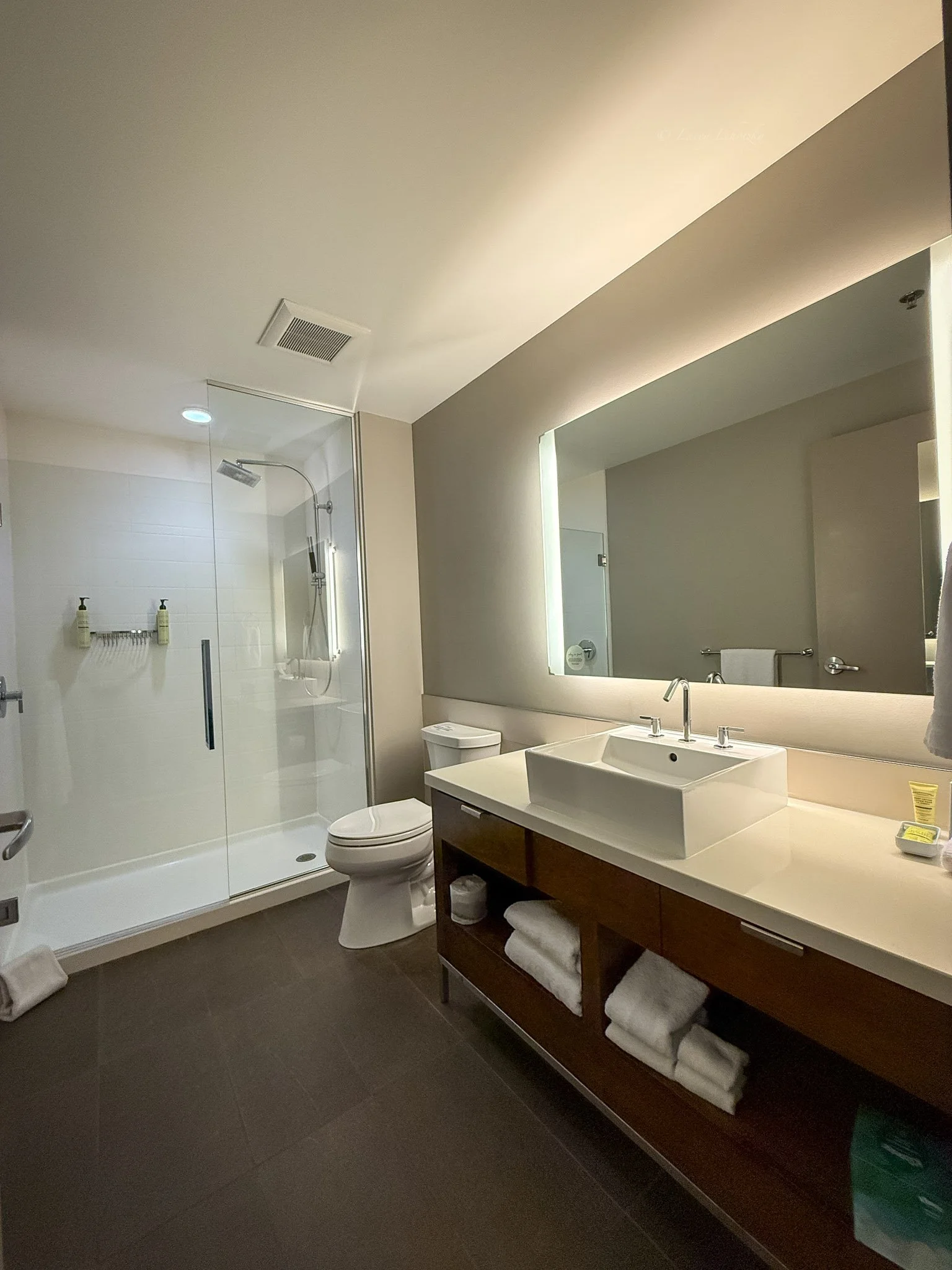
We stayed at Element by Marriott in Bozeman which was perfectly located downtown, in walking distance of main street and tons of dining places. The airport here is easier to fly into, with more flight options, However, it is farther from Yellowstone and even farther from the Tetons. It’s a better option for restaurants, shopping, and breweries than the small gateway towns closer to the North Entrance.
So, which is better for your Yellowstone & Grand Teton National Parks Itinerary?
The answer is: it depends. Jackson is better if your itinerary is focused on the Tetons and southern portion of Yellowstone, where you’ll find Old Faithful and other thermal geysers. Bozeman is better if you’re interested in Lamar Valley and Mammoth Hot Springs in the northern portion of Yellowstone. North Entrance to South Entrance of Yellowstone takes approximately 3 hours to drive, assuming no traffic (and there will be traffic, especially if wildlife is near the roads). Honestly, I’d do multiple trips so you can see everything without spending countless hours in a car every day.
Yellowstone & Grand Teton National Parks Travel Guide
I’m going to give you the breakdown that’s going to maximize your photo opportunities and allow you to see all the highlights of in this Yellowstone & Grand Teton National Parks travel guide! Arriving early in the morning is important if you want the best wildlife photo opportunities, as the animals (especially wolves) are most active at dawn and dusk. And for photographing the famous Grand Teton peaks, you’ll want to stay out for the sunset.
Grand Teton National Park Travel Guide
With multitudes of turnouts, you don’t have to go far to capture and soak in the beauty of Grand Teton National Park. It’s definitely one of my favorite places in the US, and I would go back in a heartbeat! I have a whole three day itinerary for Jackson Hole if you want a more thorough breakdown of our time there 🖤
Grand Teton Peaks
There’s nothing more iconic about the park than the sweeping triple peaks. Looming larger than life, they hang over your every drive. And they’re also stunning from every angle. Honestly I have way too many pictures of them from our trip! I got the best ones at Teton Point Turnout (Google Maps) pictured here.
Hikes

Lake Taggart in late April
Note that some of the roads through Grand Teton National Park are not open year round, though there are a few hikes you can still do! In late April, we did the Taggart Lake trail, which was absolutely stunning and also absolutely still packed with snow. We went early to beat the crowds (spoiler alert: there weren’t crowds, even in the afternoon), and when we returned, a ranger was posted in the parking lot, who advised us to go out and back instead of all the way around the traditional trail. Which would have been nice to know before we set out and spent an hour sinking into thigh-deep snow with every step once we got past the lake 😂. When Teton Park Road is open, there are many more hikes, from short jaunts for everyone to rough backcountry hikes you absolutely need bear spray for.
Colter Bay
Jackson Lake spreads the expanse of Grand Teton National Park, and one of the most iconic stops along it is in Colter Bay. There’s a visitor center/village there with services, but only in the main summer season. There are other great viewpoints of the lake closer to Yellowstone’s South Entrance as well.
Snake River

View of the Tetons from Snake River overlook
Of course, you also have to stop for photos at the Snake River overlook to capture the river with the mighty Teton peaks in the background. Honestly, it’s one of my favorite photos from the trip! For fishing enthusiasts, you can also fish here, though you’ll need permits and special equipment.
Best Wildlife Viewing in Grand Teton

herd of elk in spring at Grand Teton National Park
Around the national park and Jackson Hole, you can see elk, moose, big horned sheep, bison, bears, and even wolves! I highly recommend booking a Jackson Hole wildlife safari tour, where they’ll introduce you to some of the best spots to capture the wildlife. Some hiking trails might also be closed for your safety, so check the National Park Service app for the latest information before heading out every day.
Other Notable Stops in Grand Teton National Park
While I haven’t thoroughly explored these places, I saw some in passing and they are worth seeing if you have time! Mormon Row, Schwabacher Landing, Oxbow Bend, Jenny Lake, Hidden Falls, Inspiration Point, and the Chapel of the Transfiguration.
Yellowstone National Park Travel Guide
America’s classic summer vacation spot, Yellowstone National Park is breathtaking in its beauty, with vast valleys and rushing rivers to captivate you at every turn. Once you’ve had your fill, you can explore the geothermal pools and exploding geysers that make this area so unique. Always check the NPS app before you go for any alerts or closed sections of the park!
Old Faithful
This is perhaps where you’ll see the most people because it’s as iconic as apple pie. We were lucky enough to walk up about 3 minutes before it went off, but some people wait hours for it to blow, because there’s no set time. Nature does what it wants, when it wants! Even at the end of April, when we went to see it, the parking lot was packed. If you go on the weekends, during a long weekend, or late in the summer, expect to struggle to find parking or a place to view Old Faithful blow without someone blocking you.
Grand Prismatic Spring & Other Geothermal Spots

While Old Faithful might be the biggest highlight, the geothermal pools surrounding it are worth seeing too. The Grand Prismatic Spring is another popular stop where you might struggle to find parking. But there are plenty of lots along the road to park. Make sure you wander to some of the lesser-known pools for epic photos, fewer crowds, and more time to admire the wonders of our natural world! And always, always, stay on the boardwalks. The pools will melt the skin from your bones and no one wants to ruin a vacation with a trip to the emergency room.
Lamar Valley
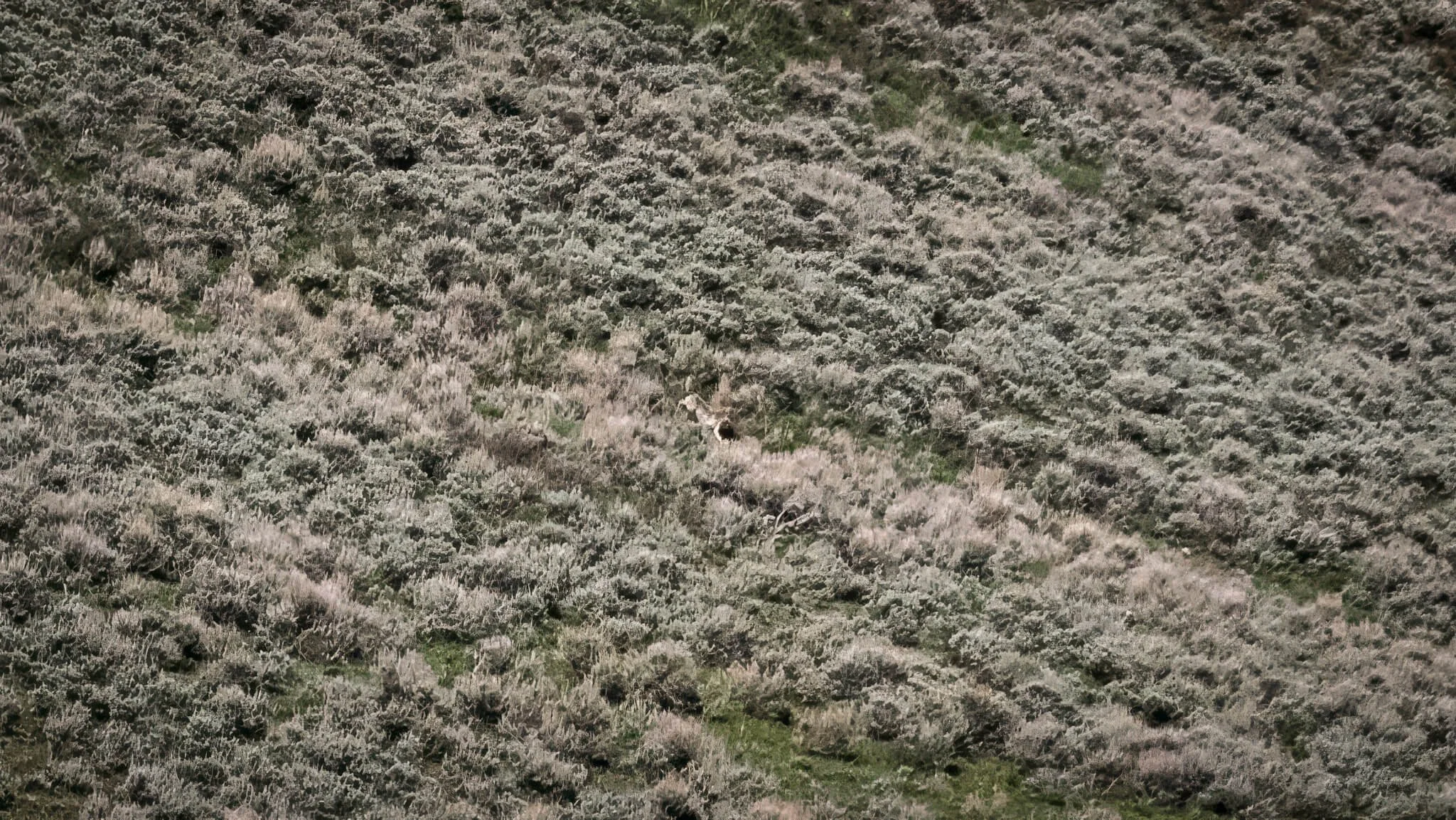
a screengrab of the video I took of a wolf running through Lamar Valley
Lamar Valley runs along the northern road in Yellowstone and is easily accessible from the North Entrance. If you’re looking for wolves, this is the place to be, although the pack that lives here is changing its behavior from what we heard during our Memorial Day trip. We were lucky enough to spot two yearlings racing along the hilltops as we were driving out. I don’t think I’ve ever screamed at Andrew to pull over so fast 😂. They were far away but I was lucky enough to snag a video of them before they disappeared! Bears and bison are also spotted here quite frequently. The best sign that there’s something to see is a bunch of cars and a crowd of people with cameras or binoculars. There’s a group of regulars who volunteer their time to watch the wildlife, and they’re always happy to answer any questions you might have!
Best Wildlife Viewing in Yellowstone
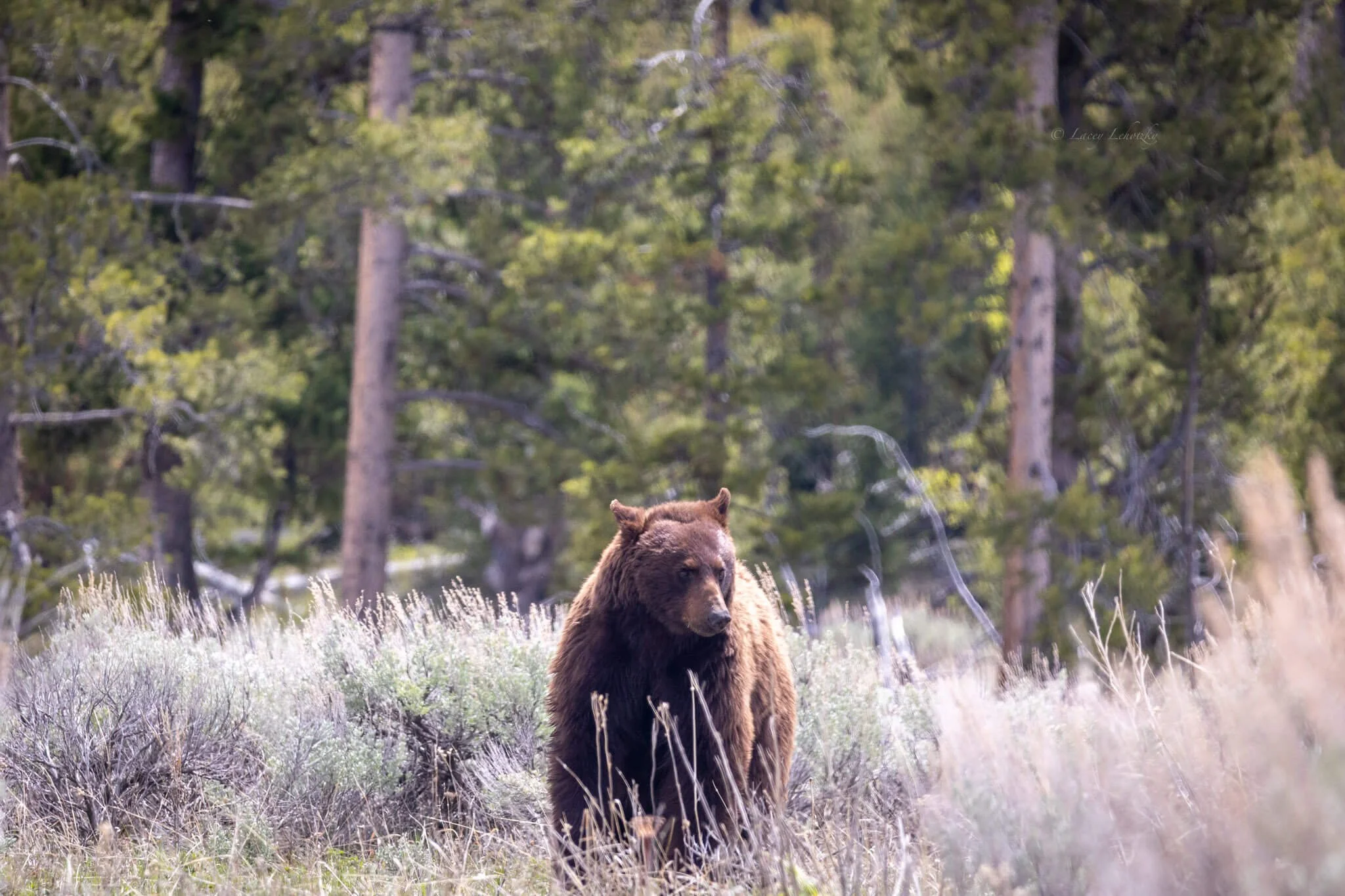
cinnamon brown bear
Speaking of wildlife, don’t be a Touron and stay at least five school buses (about 100 feet) away from bears and wolves and three school buses away (75 feet) from bison, elk, and other wildlife. Park Rangers will appear and yell at you if you are too close. If an animal hurts you because you agitated it, they will have to put it down, and that’s not very fair, is it? The bison are quite literally everywhere—even in the roads, which we thought was hilarious when we watched one try to charge a car in front of us, only to have it turn in our direction 😳
Grand Canyon of Yellowstone
Another iconic spot with sweeping views and waterfalls! Around this area, there are tons of amazing hikes and viewpoints, including Inspiration Point and Artist Point. You must see the Lower Falls if nothing else.
Hiking & Camping
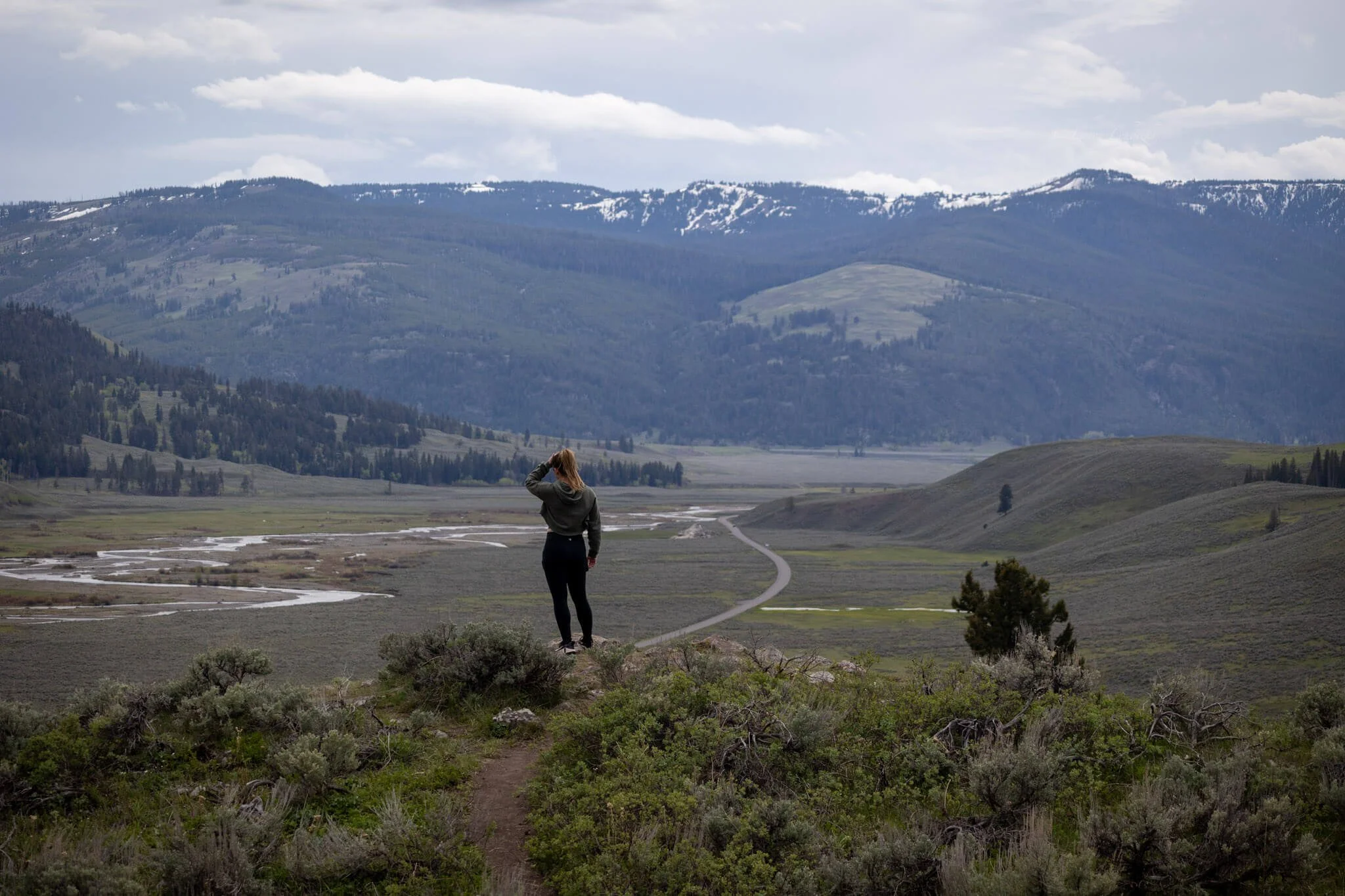
Me standing off the Trout Lake trail
While I am definitely too much of a princess for camping, there are many campsites where you can rent a spot for your tent and wake up among nature. Or if you bring your own lunch, many campsites also have picnic tables where you can enjoy your meal. Be bear aware and always pack up all your food when you go! Definitely grab a can of bear spray and wear it on your hip, especially if you plan to do any hikes. When we hiked in the northeastern part of the park, we came across a bison just chilling in a field. The animals are everywhere and always moving, so keep your eyes and ears open.
Other Notable Stops in Yellowstone National Park
While I haven’t thoroughly explored these places, I saw some in passing and they are worth seeing if you have time! Mammoth Hot Springs (by the North Entrance), Norris Geyser Basin (halfway between Mammoth & Old Faithful), Hayden Valley, and Tower Fall.
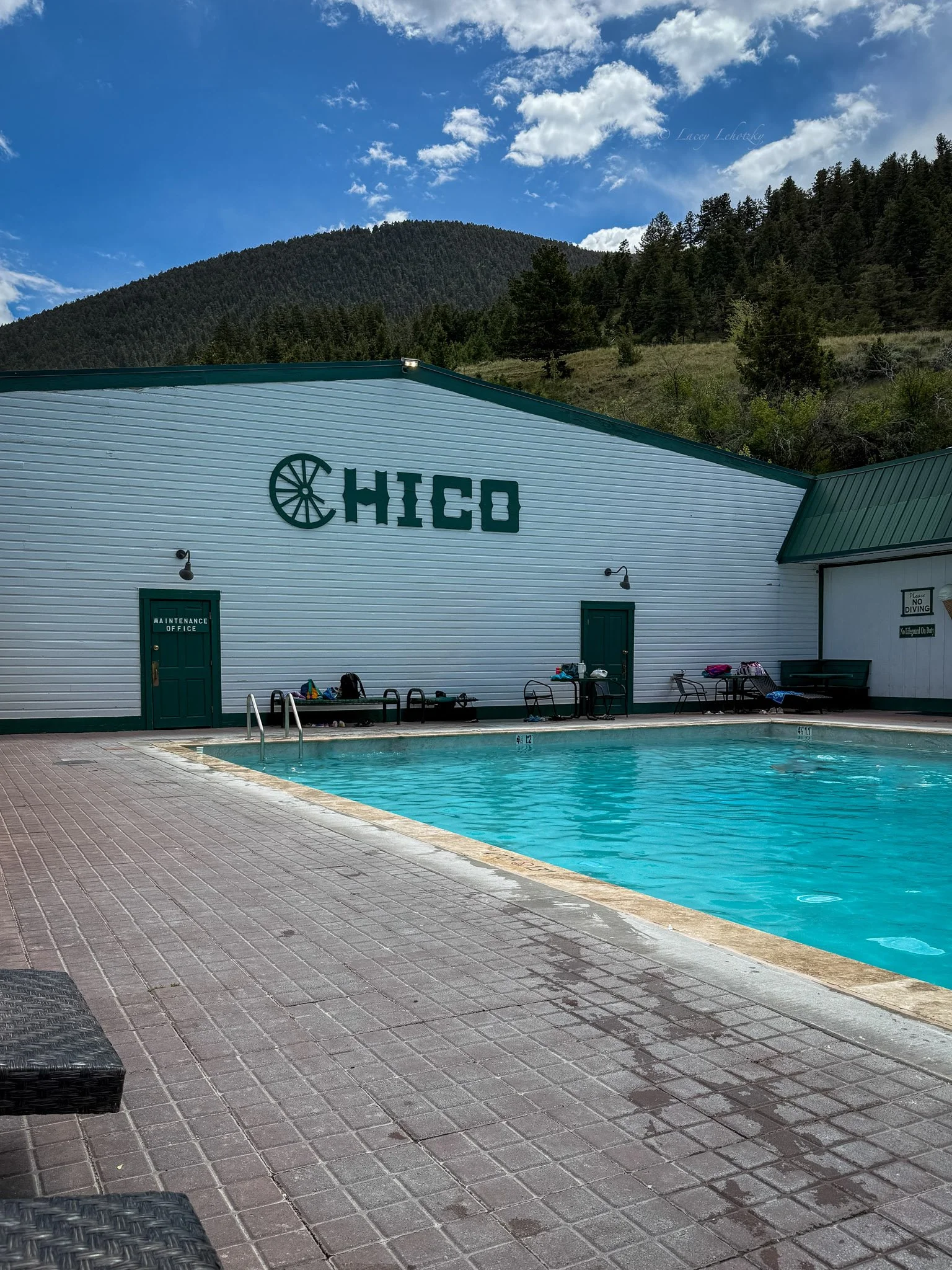
While not technically inside Yellowstone, if you’re driving from Bozeman, stop at Chico Hot Springs in Paradise Valley, Montana to unwind after a long day of hiking or driving in the car. The whole complex is so cute and gives that old west vibe. You’ll need to bring your own towel for this one, though there is also food and drink available for purchase!
Final Thoughts on Yellowstone & Grand Teton National Park Travel Guide
Has my Yellowstone & Grand Teton National Parks Travel Guide convinced you to plan a trip out there yet? These areas are some of my favorite outdoor places in the United States, and definitely places I could go back to time and time again.